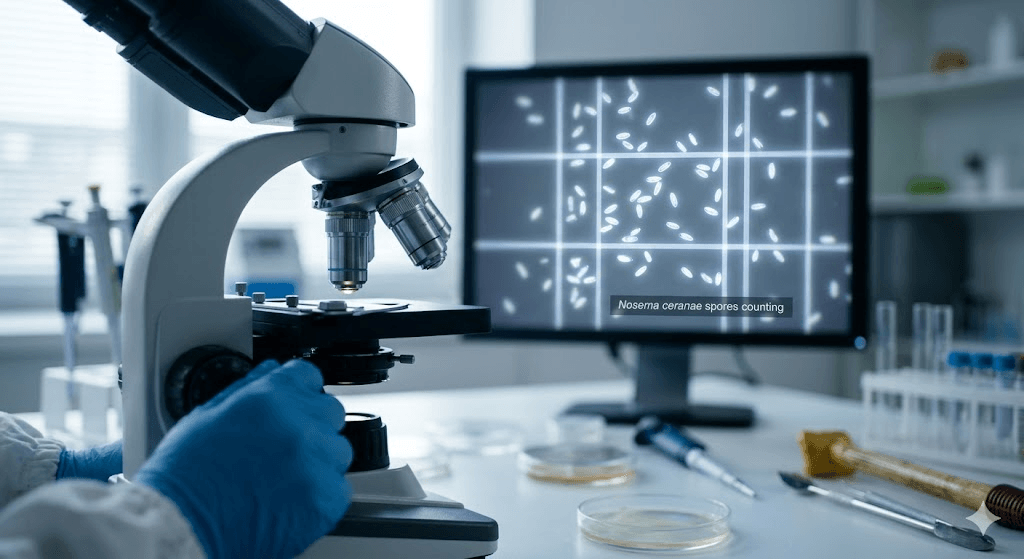
The Silent Killer: Navigating the Nosema ceranae Epidemic in North American Apiaries
Introduction: The Evolution of a Microscopic Threat For decades, American beekeepers monitored for “Nosema” by looking for tell-tale signs of […]
Introduction: The Evolution of a Microscopic Threat For decades, American beekeepers monitored for “Nosema” by looking for tell-tale signs of […]
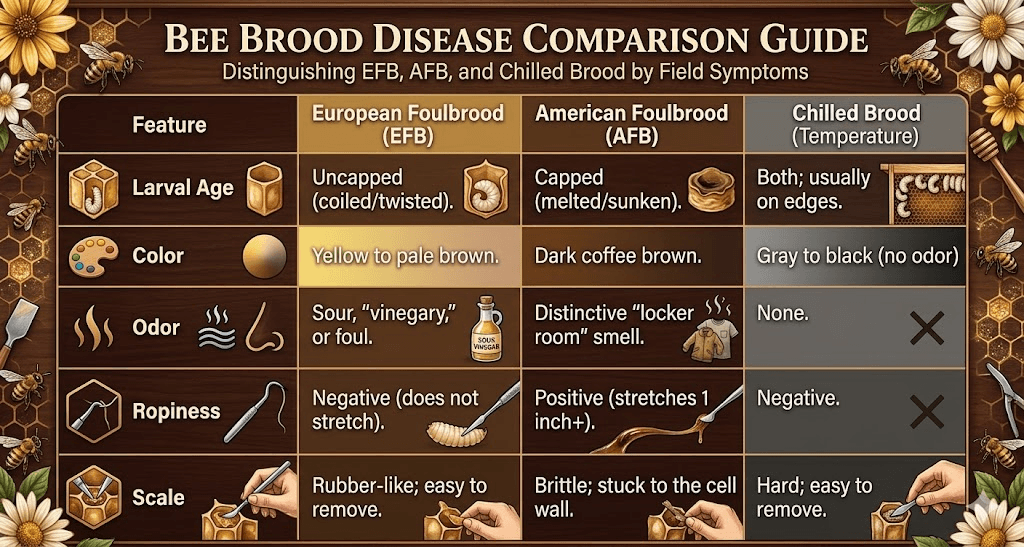
Introduction: The “New” Face of an Old Enemy For decades, European Foulbrood (Melissococcus plutonius) was considered a minor “stress disease”

The Supersaturated Paradox: Why Honey “Wants” to Be Solid In the professional American honey market, crystallization is often misunderstood by
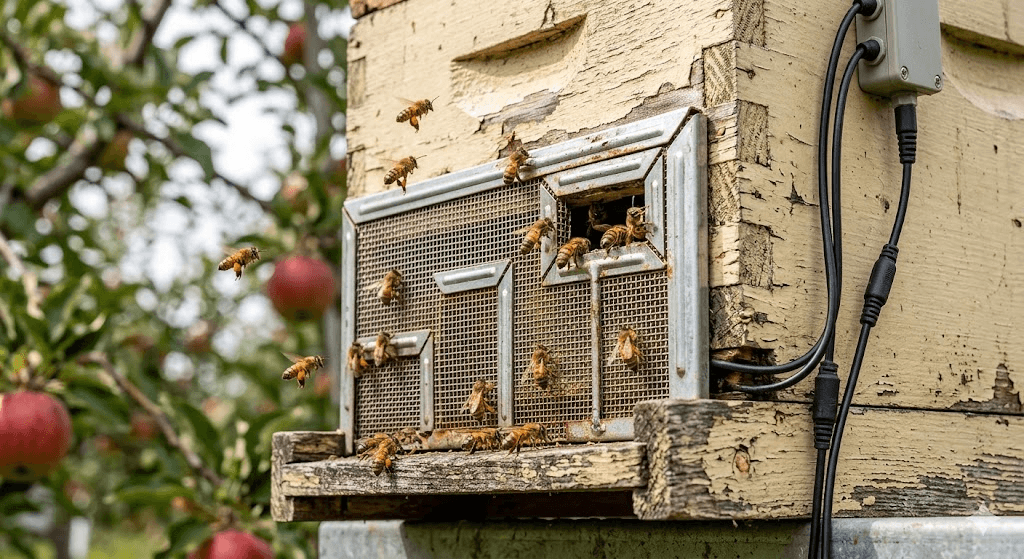
Introduction: Beyond the “Mite Count” In the United States, the conversation around Varroa destructor has shifted. It is no longer
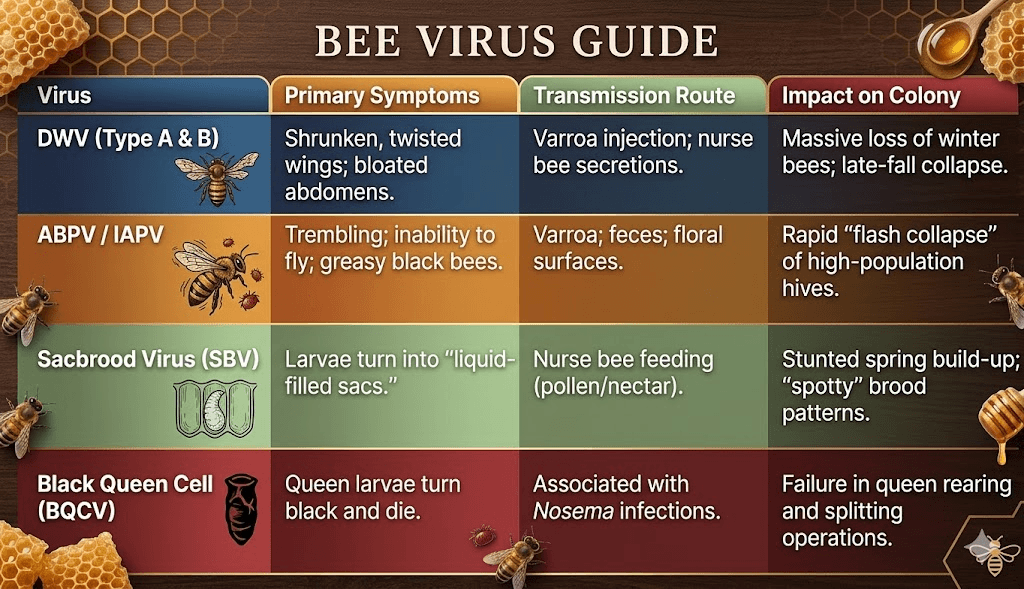
Introduction: The Invisible Pathogens Behind Colony Collapse In the modern apicultural environment of the United States, the Varroa mite is

The Digital Pulse of the Apiary: Moving Beyond Manual Hefting In the traditional beekeeping landscape of the United States, determining
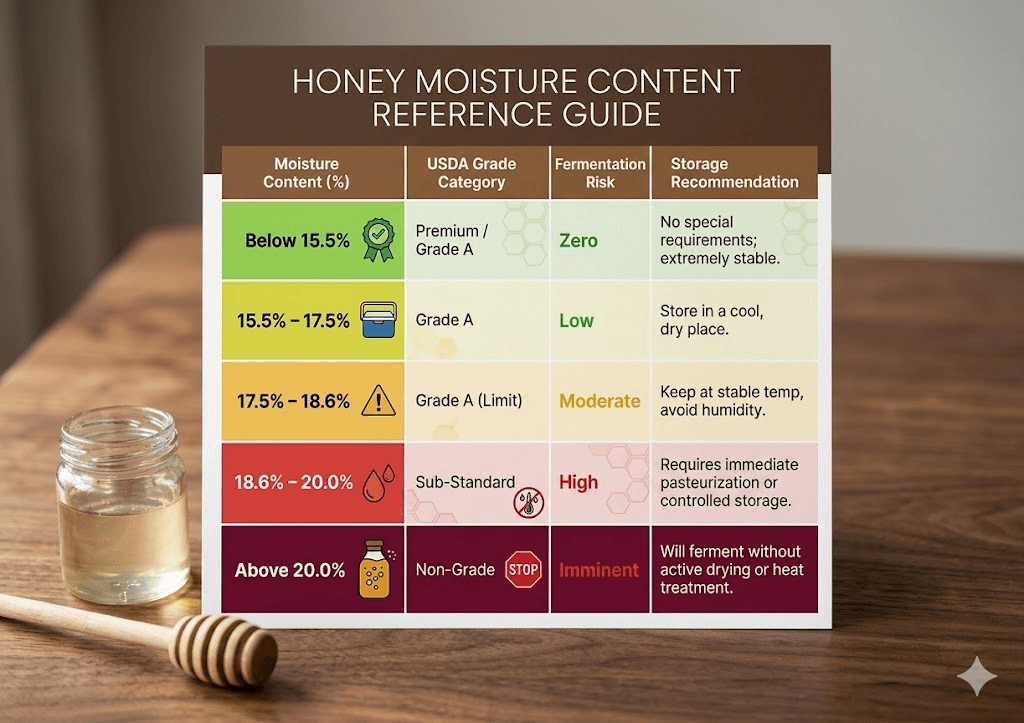
Introduction: The Scientific Threshold of Stability In the professional North American honey market, the difference between a premium, shelf-stable product

Introduction: The Industrial Bottleneck In the commercial beekeeping landscape of the United States, the honey house is often where profit
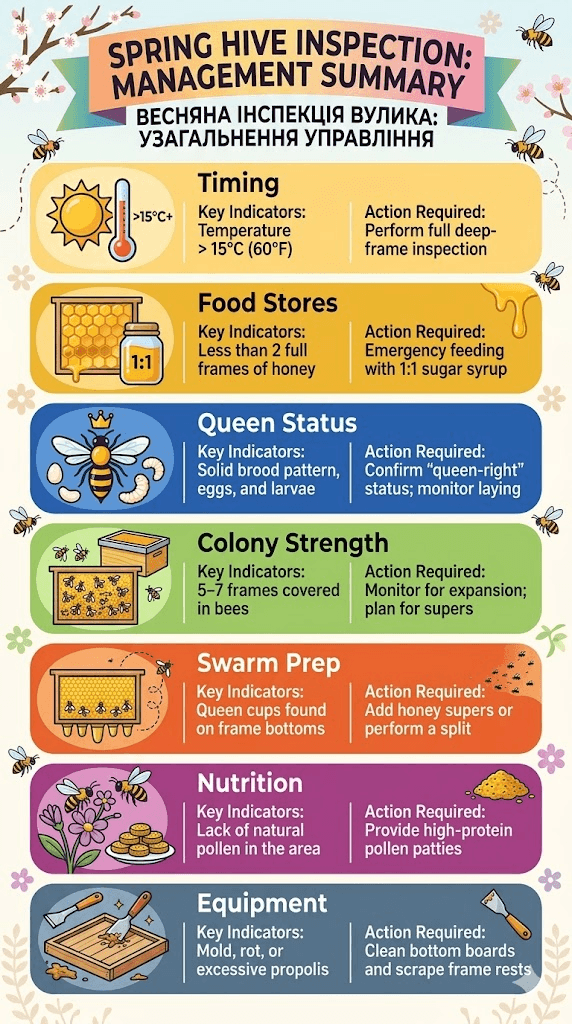
Spring is the most critical season for any beekeeper. After months of winter clusters, the first warm days of April

Introduction: The Thermodynamics of Survival In the professional beekeeping landscape of the United States, overwintering is the ultimate “stress test.”